

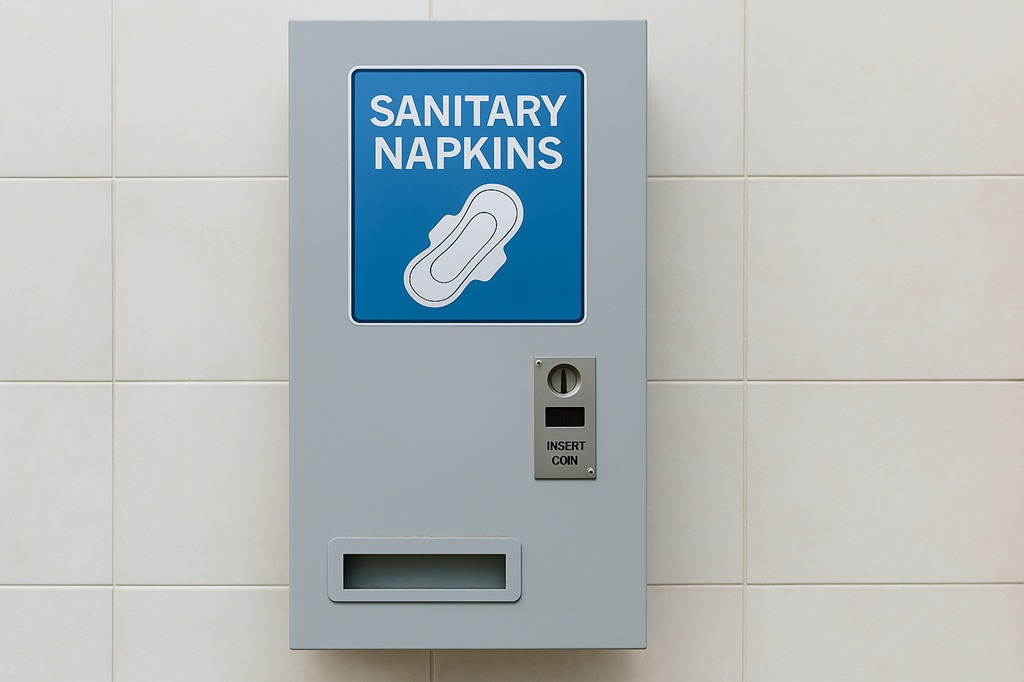
If you’ve ever seen a sanitary napkin vending machine in a school, office, or hospital, you’ve probably wondered — do these machines really work well? And what happens when someone tries to misuse or damage them?
At Elevate Info System, we’ve spent years designing and installing these machines across India. The truth is, sanitary vending machines are far more reliable than people think — and modern safety features have made them nearly vandal-proof. Let’s break this down from real-world experience.
The Growing Dependence on Sanitary Vending Machines
Before, when women needed a sanitary pad urgently, there weren’t many options. Stores might be closed, or social hesitation made it awkward to ask. That’s exactly why sanitary vending machines have become such a practical invention — they offer privacy, quick access, and comfort.
Hospitals, universities, metro stations, and even government buildings now treat these machines as essential public health tools. They help normalize menstruation, reduce absenteeism in schools, and promote hygiene.
But for these machines to keep working in public spaces, they must be reliable, easy to maintain, and resistant to misuse.
How Reliable Are Modern Sanitary Vending Machines?
Reliability depends on three things — mechanical design, maintenance, and user awareness.
At Elevate Info System, every machine is tested to work smoothly for thousands of dispensing cycles. These units use durable steel bodies, simple push-button or sensor systems, and heavy-duty coin or digital payment acceptors. That means fewer breakdowns, fewer jams, and consistent operation even in busy areas.
Most of our clients — from schools in tier-2 cities to corporate offices — report that their machines work flawlessly for months with only occasional refilling.
A few reasons for this reliability include:
- Robust construction: Machines are made from rust-resistant metal or powder-coated steel, which keeps them strong and clean.
- Tamper-proof locking systems: Internal compartments are secured with multi-level locks that can’t be opened without authorized keys.
- Low-voltage electronics: Even in areas with power issues, these machines function safely and efficiently.
- Simple mechanics: Fewer moving parts mean less chance of failure.
In short, once installed and maintained properly, these machines are just as dependable as an ATM — you insert payment, press a button, and get your product.
Preventing Misuse: Real-World Measures That Work
Any time you place equipment in a public setting, there’s a chance of misuse. Some people might try to force the coin slot, take out multiple pads, or even tamper with wiring.
That’s why modern machines include several protective features:
- Strong, enclosed body: The outer shell is made of industrial-grade metal, making it difficult to pry open or damage.
- One-pad-per-use mechanism: Each button press releases only one sanitary napkin, preventing over-dispensing.
- Internal sensors: Newer digital models detect unauthorized access attempts and trigger a safety lock.
- Audit tracking (optional): Some advanced versions track the number of dispensed products, helping administrators notice irregular patterns.
- Key-based access: Only authorized staff can open refill compartments or service panels.
Schools and workplaces also use awareness posters near the machines to remind users about respectful and hygienic usage. Once people understand that the machine is there for everyone’s benefit, incidents of misuse drop drastically.
Protecting Against Vandalism in Public Areas
Vandalism can be a challenge, especially in railway stations or outdoor areas. But this is where engineering and smart placement help.
Modern sanitary vending machines are now designed with:
- Heavy-gauge steel bodies resistant to dents or scratches.
- Wall-mountable systems positioned at secure heights, often near CCTV coverage.
- Anti-tamper locks that can’t be picked or pried with basic tools.
- Powder-coated surfaces that resist graffiti and stains.
Institutions also take preventive steps such as installing machines inside women’s restrooms, staff rooms, or supervised corridors, not in completely open public zones.
In over 90% of installations we’ve handled, vandalism is rare because the machines blend naturally into their environment — people treat them like everyday utilities, not equipment to mess with.
How Hygiene and Safety Are Maintained
Reliability isn’t just about the machine working — it’s about ensuring the products stay safe and clean.
To maintain hygiene:
- Each machine is refilled with sealed sanitary napkin packs that protect against dust and moisture.
- The dispensing chamber is fully enclosed, so users never touch any internal surface.
- Our burning machines safely destroy used pads in an eco-friendly way, preventing waste buildup.
The refill process takes less than ten minutes, and many institutions assign trained staff to handle it weekly. For schools or hospitals, that’s part of their hygiene routine.
Education Reduces Misuse More Than Locks Do
While locks and metal casings help, education is what really prevents vandalism or misuse.
Many of our clients conduct short awareness sessions when machines are first installed. Students or employees learn how the vending unit works and why it matters. Once people realize it’s a shared resource that improves hygiene, misuse almost disappears.
We’ve seen how small gestures — like placing a notice that reads “For emergency hygiene access — please use responsibly” — change behavior instantly. It creates ownership and respect.
So, while machines are built to be tough, the real protection comes from community awareness.
Maintenance: The Unsung Hero of Reliability
Even the best machines need care. Regular checks make a big difference.
A basic monthly checklist includes:
- Cleaning the outer surface and coin slot
- Checking for jams or empty slots
- Inspecting electrical parts
- Refilling sanitary pads with fresh stock
Elevate Info System provides simple guides and phone support for all clients. Most maintenance is so straightforward that school staff or facility managers handle it without outside help.
A properly maintained machine can last five to seven years with minimal issues. That’s long-term value with short-term effort.
Why Sanitary Vending Machines Are Here to Stay
These machines have moved from being an optional accessory to an essential part of women’s facilities. They make hygiene more accessible and remove the awkwardness around emergency situations.
And because they’re built tough, easy to use, and secure, they’ve proven themselves reliable even in high-traffic areas. Combined with responsible users and occasional monitoring, cases of misuse or vandalism are now rare exceptions, not the rule.
At Elevate Info System, we’re proud that our machines help thousands of women every day — safely, privately, and reliably. With the right awareness and protection measures, sanitary vending machines aren’t just dependable; they’re transforming how public spaces support women’s health and dignity.